


How Staging Helps Sell Homes Faster
Updated: Sep 9
A buyer can decide how they feel about a home before they ever step through the front door! That first decision often happens on a phone screen, while they are scrolling through property photos and comparing one listing with the next.
That is why staging matters.

Our strategic home selling methodology has helped create some standout results and here's just three examples:
Property | Market Position | Result |
Hurley, 5 bed home | Previously on the market | Sold in 3 weeks |
Bourne End, 3 bed home | Not previously on the market | Sold in 4 weeks |
Maidenhead, 5 bed home | Not previously on the market | Sold in 4 weeks |
Each home was different. The buyers were different. The price points, layouts and locations were different too. But the same principle ran through all three sales: when a property is presented clearly, beautifully and realistically, buyers understand it faster.
That understanding creates interest. Interest creates viewings. Viewings create offers.
Staging is one the fundamentals when selling. This combined with the best photography and videography, the right asking price, a great agent who has an effective marketing launch and follow through strategy will mean you will sell quickly and for the highest priced. This is the thinking behind our Stage & Sell approach – bringing all of these elements together as one cohesive strategy designed around the individual property.
Staging enables a home to show up well online, feel better in person and stay in a buyer’s mind after the viewing.
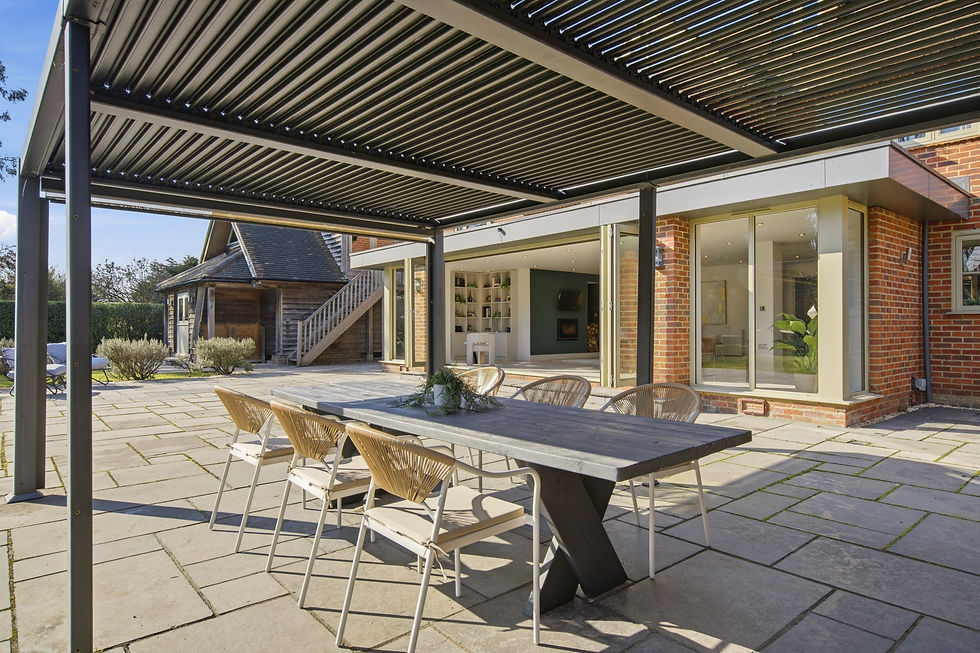
Different Homes, Same Result
The recent sales in Maidenhead, Hurley and Bourne End were not identical, which makes the results more useful. Staging worked across different types of homes and different selling situations.
The Maidenhead home was a five-bedroom home that had not previously been on the market. That matters because a first launch with staging carries real weight. The first couple of weeks are when a listing gets its strongest burst of attention. If the photography does not land, or if buyers struggle to read the space, that early momentum can fade.
With staging in place, the home launched with a complete and polished feel. It sold in four weeks.
The Hurley home tells a different story. This was also a five-bedroom home, but it had already been on the market previously. That usually means there is already a question to answer. Why has it not sold? Was it the price, the presentation, the buyer pool, the photos, the timing, or a mixture of all of these?
After staging, the property sold in three weeks.
That result is especially powerful because staging helped the home re-enter the market with fresh energy. It gave buyers a new reason to look again. It also helped reposition the property in a way that made its strengths easier to see.
The Bourne End home was smaller, with three bedrooms, and had not previously been on the market. Staging helped it launch with clarity from the start. For a three-bedroom home, buyers often want to understand practical details quickly.
They ask themselves:
Is there enough living space?
Where would we eat?
Does the home feel calm, cared for and move-in ready?
Can we picture ourselves here?
Good staging answers those questions without needing to explain them at length.
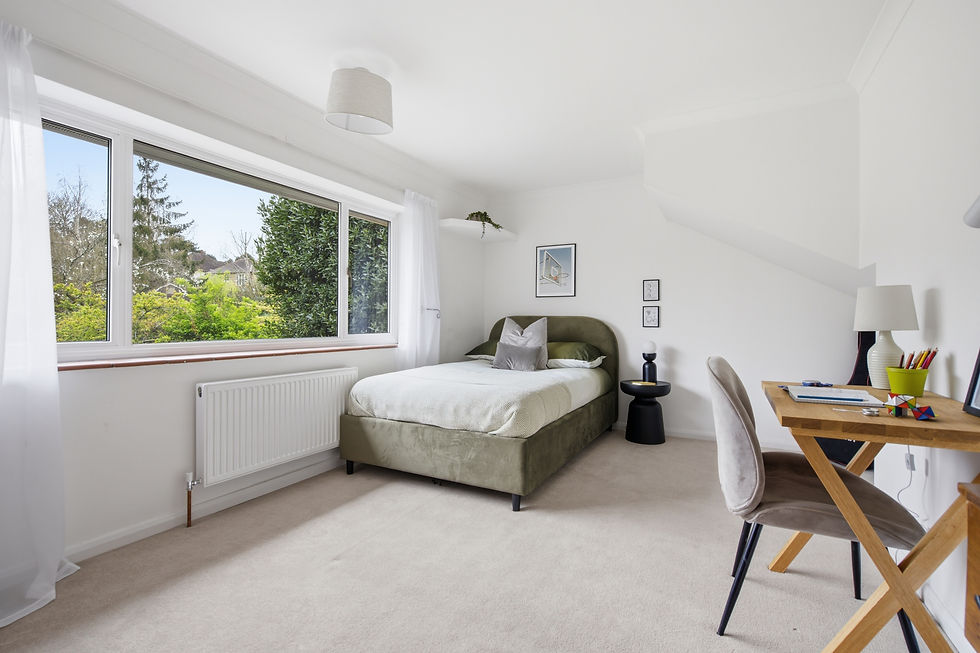
Staging helps buyers understand space
One of the biggest mistakes sellers make is assuming empty rooms feel larger.
Sometimes they do. More often, empty rooms feel vague.
Without furniture, buyers can struggle to judge scale. They may not know whether a double bed fits comfortably in a bedroom, whether a dining table works in the kitchen, or whether a sitting room can hold a proper sofa arrangement without feeling cramped.
Staging gives each room a clear purpose - it shows how each space can truly be used.
A five-bedroom home, for example, needs more than five empty rooms. It needs a story that makes sense. The principal bedroom should feel restful. Guest bedrooms should feel welcoming. A smaller bedroom may work better as a study, nursery, dressing room or flexible room, depending on the likely buyer.
That does not mean overfilling the home. In fact, the best staging often uses fewer pieces, chosen carefully. The aim is not to impress people with furniture. The aim is to help them read the home.
A well-staged room says, very simply, “This is how this space works.”
That matters in larger properties like the Maidenhead and Hurley homes. A five-bedroom home can offer great flexibility, but flexibility can become confusing if buyers cannot see how each area functions. Staging gives structure to that flexibility.
It matters in a three-bedroom home too. In Bourne End, a clear layout can help buyers see how the property supports daily life without feeling stretched.

Staging makes the online listing work harder
Most buyers meet a property online before they visit it. Photos are not a small part of the sale. They are in fact the first filter.
If the images do not create interest, the buyer may never read the description. If the rooms look dark, empty, cluttered or hard to understand, the listing will be skipped in seconds.
Staging improves the quality of those first few seconds.
It gives the professional photographer and videoographer more to work with. It creates natural focal points. It adds warmth, scale, texture and shape. In a staged living room, for example, it will photograph much better than an empty rectangle because the viewer can understand proportion at once.
Good staging also helps the photos feel connected. Instead of a series of unrelated rooms, the listing begins to feel like a home. The buyer can move through the images in their mind. That consistency matters. A calm sitting room, an inviting kitchen area, a well-dressed principal bedroom and a clear work-from-home space can create a strong impression before the viewing is even booked.
The Maidenhead property benefited from this at launch. As a home that had not previously been on the market, it needed to make its first appearance count. Staging helped present it as complete, considered and ready to view home.
For the Hurley home, the impact was different but just as important. A previously listed property needs a refreshed look. Staging can change how buyers see it, especially if earlier presentation did not show the home at its best.
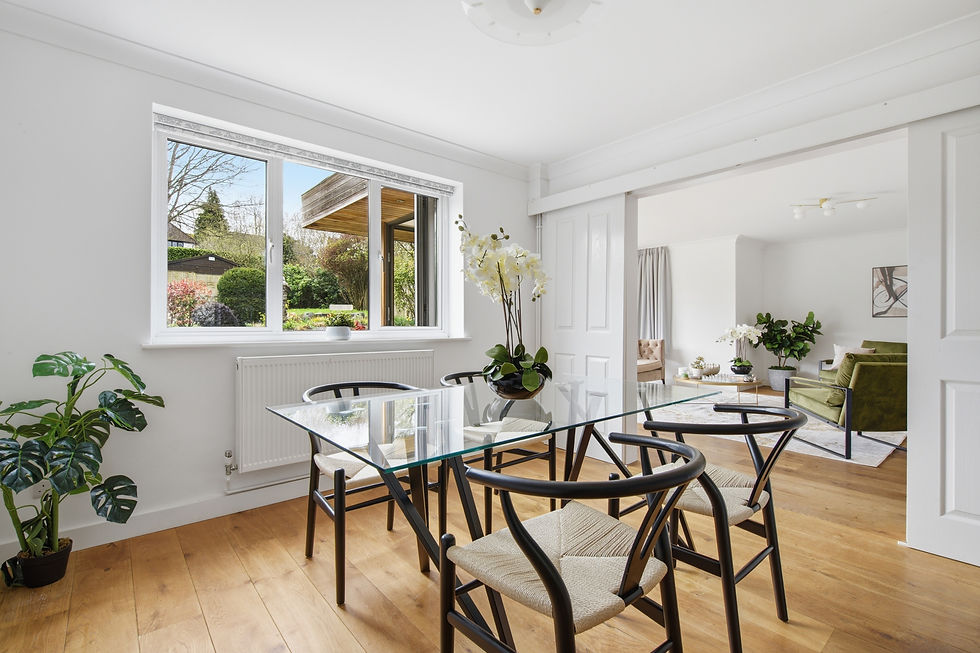
Staging reduces doubt during viewings
A viewing is not just a tour. It is a decision-making process.
Buyers walk through a home asking quiet questions. Some are practical. Some are emotional. Some are about value.
They might wonder if the sitting room is too small, if the bedrooms feel balanced, if the house would suit family life, if the layout flows well, or if the property feels worth the asking price. Staging removes the doubts.
A properly arranged dining area shows how people can gather. A staged study helps buyers picture remote working. A neat guest room shows comfort. A calm living space helps people slow down and imagine spending time there.
This is where staging does more than create attractive photos. It changes the feeling of the viewing. We know from experience that buyers rarely make decisions on measurements alone - they make it based on an emotional connection. That emotional memory really matters when they leave and compare it with other homes.
Ceri Owen, our founder, says:
A staged home gives buyers fewer reasons to hesitate and more reasons to keep thinking about the property after they leave.
As selling your home is likely to be the biggest financial decision you will ever make, why leave it to chance!
This does not mean staging should hide flaws. It should not. Buyers value honesty, and surveyors will still do their job. The purpose is to show the home clearly, not disguise reality. So even before staging, its critical to address those repairs you did not get round too as the buyer and / or the surveyor will likely pick these up.
The best staging is believable. It suits the property, the likely buyer and the price point. It makes the home feel lived-in enough to be warm, but tidy enough to let the property shine.

The Hurley result shows why a relaunch can work
The Hurley five-bedroom home is a useful example because it had already been on the market.
When a property does not sell the first time, it can be tempting to focus only on price. Price matters, of course. But presentation can also affect how buyers judge value.
If a home looks tired online, buyers may assume work is needed. If rooms feel unclear, they may worry the layout is awkward. If the property looks empty or poorly arranged, they may struggle to connect with it.
Staging can interrupt that pattern.
For a relaunch, staging gives the listing something new to say visually. It allows new photography. It helps previous viewers, or buyers who skipped the listing before, see the property differently. It also enables the agent to launch with a new perspective.
The sale in three weeks confirms the change in presentation helped create urgency and confidence.
A relaunch should never feel like the same listing with a new date attached. It needs fresh energy. Staging is one of the clearest ways to create that.
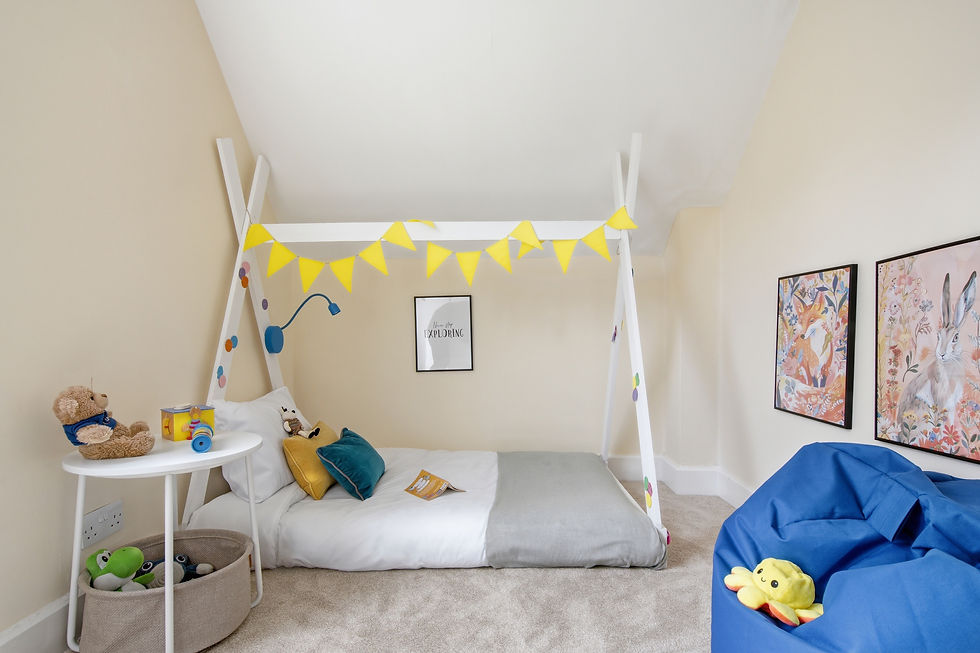
The Maidenhead and Bourne End homes show the value of starting strong
Not every property needs a relaunch. Sometimes the best result comes from preparing properly before the first listing goes live.
That is what made the Maidenhead and Bourne End examples so important. Both had not previously been on the market, so there was a clean opportunity to shape the first impression.
A strong launch matters because buyer attention is highest when a new property appears. The listing is fresh. Alerts go out. Agents contact registered buyers. People who have been waiting for the right home pay attention.
If the property is well presented from day one, that attention is more likely to turn into viewings.
For the Maidenhead five-bedroom home, staging helped bring scale, warmth and purpose to the space. It sold in four weeks, which shows how quickly momentum can build when the launch is handled well.
For the Bourne End three-bedroom home, staging helped present a practical property in a way that felt complete and easy to imagine living in. Smaller homes often need careful choices because each room has to earn its place. Staging helps make those choices visible.
When a property launches well, sellers do not have to spend weeks wondering whether the photos could have been better, whether the rooms looked too empty, or whether buyers failed to understand the space.
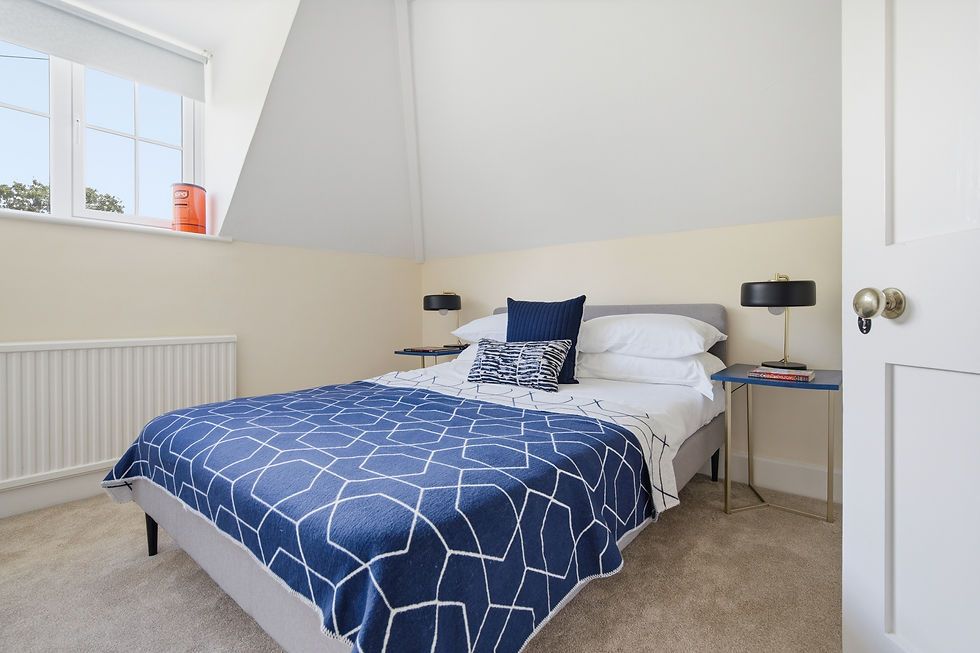
What good staging actually involves
Staging is very often misunderstood as adding cushions and hoping for the best. In reality, it is much more strategic than that.
Great staging looks at the property, the likely buyer and the way the home will be marketed. It considers what needs to be shown, what needs to be softened and what needs to be simplified.
That includes:
Choosing furniture that suits the scale of each room
Creating clear functions for awkward or flexible spaces
Improving flow between rooms
Removing visual clutter
Adding warmth through texture, lighting and soft furnishings
Making bedrooms feel calm and well proportioned
Helping kitchens, dining areas and living spaces photograph well
Making outdoor or entrance areas feel cared for
The goal is not to make every home look the same. A cottage in Hurley, a family home in Maidenhead and a three-bedroom property in Bourne End should not all feel identical. Each home needs staging that fits its character.
The common thread is clarity.
Buyers should never have to work too hard to understand why a room matters. They should be able to walk in and feel the purpose straight away.
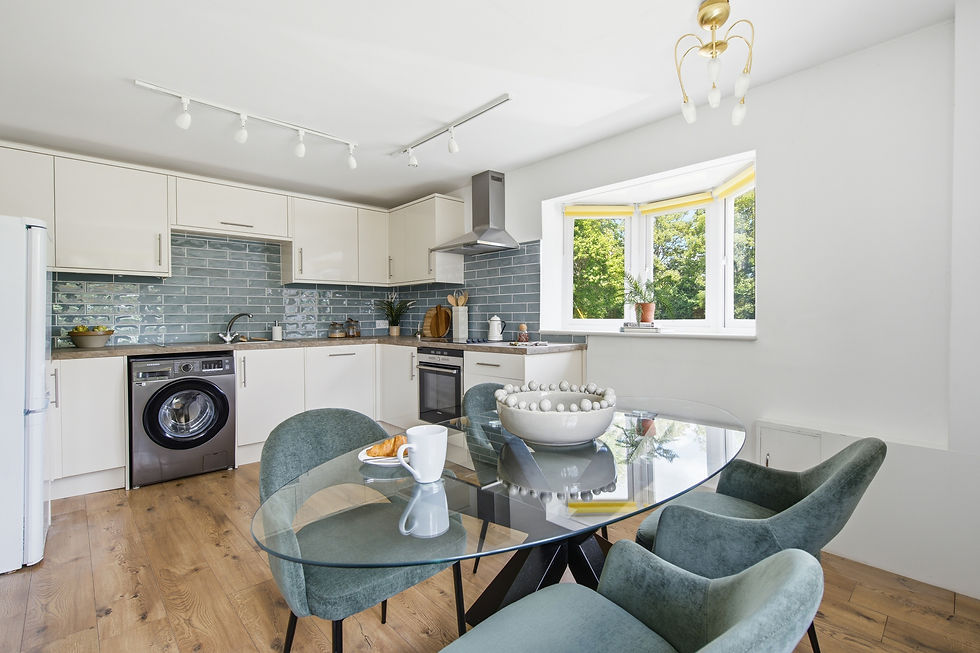
Staging supports value without overpromising
A successful sale depends on several moving parts. Pricing has to be sensible. The agent needs to understand the market. Photography needs to be strong. The listing description needs to be accurate. Viewings need to be handled well. The legal process must also progress. Staging supports all of those parts.
It can help an agent talk about the home with more confidence. It:
makes photography stronger
ensures buyers spend longer at viewings
reduces uncertainty around room sizes and layouts
makes a home feel cared for, which affects how people judge it
Most of all, staging can help a home stand out in a crowded search.
Buyers may view several properties in one weekend. After a while, rooms blur together. A staged home is easier to remember because it creates a clearer picture. That memory can be the difference between a second viewing and a forgotten listing.
The recent results in Maidenhead, Hurley and Bourne End show this in practical terms. Different homes, different circumstances, same lesson: presentation has a direct role in buyer confidence.
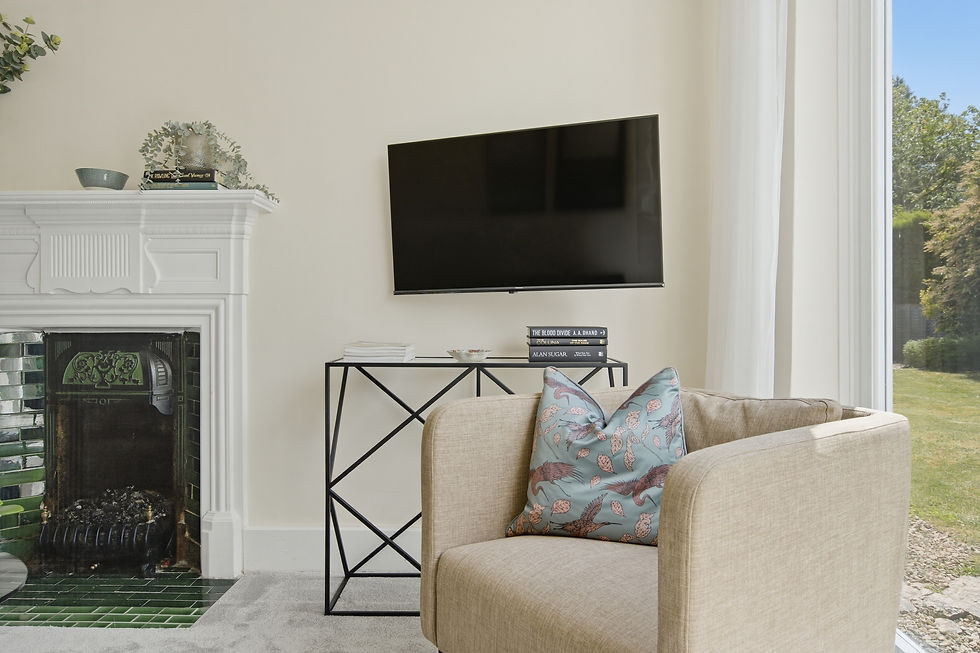
Why staging really does matter
Staging matters because selling a home is not only about floor area, postcode and a bedroom count. Those details get people interested, but they do not make people feel ready to offer.
A buyer needs to see a future in the home. They need to imagine where they would sit in the evening, where guests would sleep, where children might do homework, where they would work, eat, relax and arrive at the end of the day.
When rooms are empty, cluttered or unclear, that imagination takes effort. Some buyers can do it. Many cannot - in fact 80% cannot!
Staging closes that gap.
It presents the home in a way that feels understandable, attractive and achievable. It gives buyers enough to imagine life there, without making the space feel overly personal.
That balance is why the staging model has worked so well across these recent sales. The aim was not to decorate for decoration’s sake. The aim was to help each property communicate better.
And when a home communicates well, it tends to sell with more confidence.
The Maidenhead home sold in four weeks. The Hurley home sold in three weeks after previously being on the market. The Bourne End home launched with staging from the start and achieved a successful sale.
Those are not just nice results. They are a reminder that buyers respond when a property feels ready, clear and memorable.
Staging is not an extra flourish at the end of the process. It is part of how a home is brought to market well. For sellers who want to make the most of their launch, or give a previously listed property a stronger second chance, it can make all the difference.
If you're on the market and struggling to sell or you're looking to launch your home for sale and achieve the best price, do reach out, we're here to help - reach out to info@sortstyleandstage.com.


Comments