


Why Staging Matters in a Buyers Market and How Sellers Can Stand Out
When buyers have more choice, they become more selective. A home that might have sold quickly in a heated market can sit quietly when similar properties are competing for attention on the same portals, in the same price bracket, and in the same area.
That is the reality of a buyer’s market. Sellers cannot assume that location, floor space, or a pleasant viewing will be enough. Buyers compare. They hesitate. They revisit photos. They ask themselves whether the property feels worth the asking price, and whether they can imagine living there.
This is where preparation and staging matter. Staging does not hide flaws or create a false version of a home. Done well, it helps buyers understand the space, feel the lifestyle, and see the potential without distraction.

A Buyer’s Market Changes The Rules For Sellers
In a seller’s market, demand is high and stock is limited. Buyers often move quickly because they fear missing out. A property may receive strong interest even if the presentation is average, because there are fewer competitors.
A buyer’s market is different. More homes are available, viewings may take longer to convert, and buyers can afford to be more cautious. They have time to compare one property with another. They may question the asking price. They may also return for second viewings with a more critical eye.
That does not mean homes cannot sell well. It means sellers need to work harder before the property reaches the market.
A buyer in this type of market is often looking for reassurance. They want to feel that a home is:
Well cared for
Easy to move into
Worth the asking price
Better presented than similar homes nearby
Emotionally appealing as well as practical
A seller who understands this has an advantage. Instead of waiting to see how the market responds, they prepare the property to compete from day one.
That first launch period matters. The first few weeks on the market are often when a property gets its strongest attention online. If the photos do not stand out, if rooms feel unclear, or if the home looks tired, buyers are likely to scroll past. Once interest slows, sellers can find themselves reducing the price or relaunching later.
Professional staging helps avoid that weak start. It gives the agent better material to work with. It makes the photos stronger. It gives buyers more reasons to book a viewing. Most of all, it helps the home feel memorable.

Buyers Do Not View Space In The Same Way Sellers Do
Sellers know how their home works. They know which room gets the morning light, where the children used to do homework, why the spare room became storage, and how the garden feels in summer.
Buyers do not know any of that.
They walk in with fresh eyes. If a room is empty, cluttered, overly personal, or awkwardly arranged, they may not understand its purpose. If furniture is too large, they may think the room is smaller than it is. If the décor feels dated, they may overestimate the work involved.
That gap between what the seller knows and what the buyer sees is where sales can be lost.
Staging bridges that gap. It gives every room a clear role. It improves flow. It balances scale. It draws attention to the best features and softens the less obvious ones.
Here is what buyers often notice, even if they do not say it out loud.
What Buyers See | What Buyers May Think ... |
A spare room full of boxes | This is a storage room This is too small to be used as a bedroom |
A dark living room | The home feels gloomy |
Oversized furniture | The room is too small |
Empty rooms | It is hard to judge scale Where is the focal point? |
Too many personal items | It feels like someone else’s home |
Unfinished small repairs | There may be bigger issues |
None of these reactions may be fair. A room full of boxes might only be there because the seller has started packing. A dark photo may not reflect the real light. A loose handle or tired hallway may be quick to fix.
Buyers still respond emotionally. They make fast judgements, especially online. Staging helps shape those judgements in the right direction.

Staging Is Not Just About Cushions And Flowers!
A common mistake is to think staging is only the final decorative layer. Cushions, artwork, lamps, and flowers can help, but they are not the whole process.
Good preparation starts earlier. Before a home is dressed, it needs to be assessed with the buyer in mind. That means being honest about what helps the sale and what might hold it back.
A professional preparation and staging service can support sellers with practical decisions such as:
What to remove before photos
Which furniture should stay, move, or be replaced
Where small repairs will have the biggest effect
How to make rooms feel lighter and more spacious
Which accessories will suit the property style and likely buyer
How to create a consistent feel from the first photo to the final viewing
This outside perspective is valuable because selling your own home is emotional. It is hard to be objective about furniture you have lived with for years or decorative choices that have personal meaning. A professional sees the home as a buyer will see it.
That does not mean stripping out all character. The aim is not to make every property look identical. A cottage in Bourne End should not feel the same as a contemporary apartment or a family house in London. The goal is to make each property feel like the best version of itself.
The right staging choices depend on the home. For some sellers, that might mean a full furniture installation for an empty property. For others, it could be a lighter touch, using existing pieces, editing what is there, and adding missing layers.
The details matter. A hallway needs to feel welcoming, not cramped. The main bedroom needs to feel restful, not functional. A dining area should show how people can gather. A home office should feel like a useful bonus, not a leftover corner.
In a buyer’s market, those details can change the way a property is judged.
Recent Results Show What Preparation Can Do
No one can promise an exact sale time. The market, price, location, agent strategy, and buyer demand all play a part. Still, recent examples show how much difference strong presentation can make when a property is properly prepared before and during marketing.
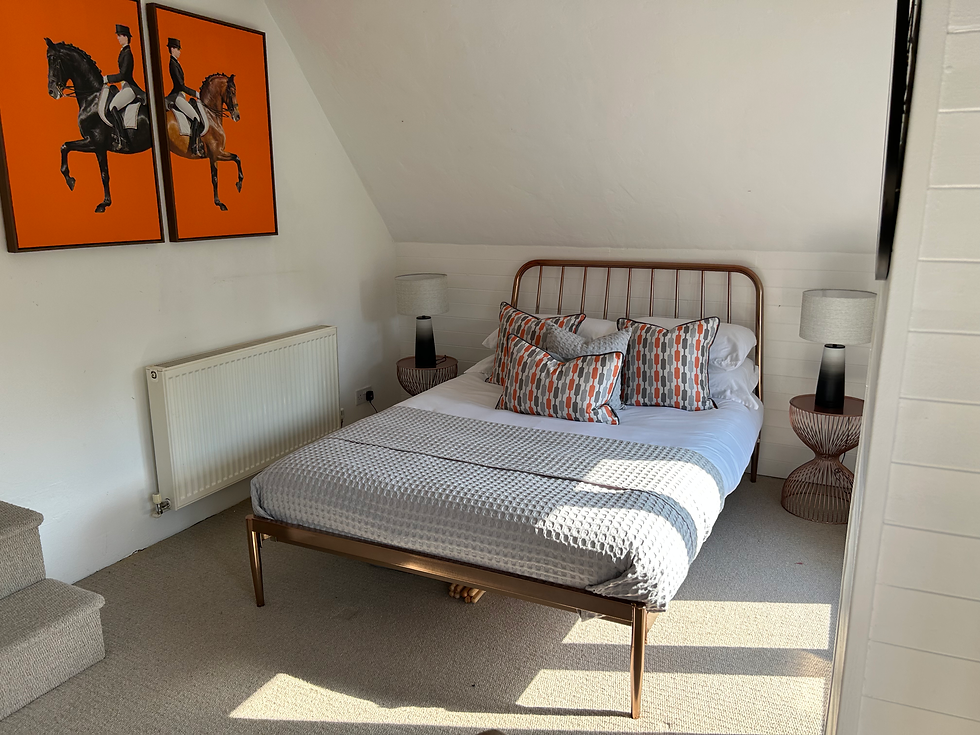
In Bourne End, professional preparation and staging helped a three bedroom cottage sell in 4 weeks. The aim was to create a home which embraced its countryside location.
In Maidenhead, another staged property also sold in 4 weeks. The property needed to create a strong first impression online and then deliver the same feeling in person. Some light touch repairs elevated the home so all rooms were equally presented to a high quality. A turn key staging solution meant each and every space was well defined. Adding value was also created by turning a "walk through" space from the stairs to the primary bedroom into a adult retreat with cosy seating, size appropriate furniture and a record player!
In Hurley, a multi million pound home was staged home sold in 3 weeks, after having previously sat on the market for many months. For characterful or village properties, staging can be especially useful because it helps buyers connect charm with practical living. The right preparation can show warmth, proportion, and lifestyle without overwhelming the home’s natural appeal. Making use of a whole top floor was essential here as previously buyers could not see the true potential on offer. Giving these the right attention meant the home had 5 well proportioned bedrooms (rather than previously been perceived by buyers as a 3 bedroom home with two good sized storage rooms.
These examples matter because they show a pattern. When sellers treat presentation as part of the sales strategy, rather than a last-minute tidy-up, they give their property a much higher chance of attracting a buyer.
Ceri Owen, our founder says:
In a buyer’s market, a well prepared and presented home turns a viewing from a comparison exercise into an emotional connection. When you create that emotional connection you are much more likely to sell and for the best price.
A staged home gives buyers much fewer reasons to hesitate and more reasons to remember it.
How Sellers Can Prepare Before Going To Market
Preparation does not need to feel overwhelming. The best approach is structured. Start with the things that affect first impressions, then move into styling and detail.
See the Property as a Buyer will see it
Walk through the home as if you are visiting it for the first time. Start outside. Notice the approach, the front door, the hallway, the smell, the light, and the sense of space.
Ask simple questions:
Does the entrance feel welcoming?
Is each room easy to understand?
Are there distractions buyers will focus on?
Does the home feel clean, cared for, and move in ready?
Many sellers become blind to everyday details. Scuffed paintwork, overflowing storage, tired bedding, or awkward furniture placement can stop registering when you live with them. Buyers will notice.

Fix The Small Things Buyers May Overread
Small defects can create bigger doubts. A loose handle, cracked tile, marked wall, or dripping tap may be minor, but buyers interpret these as signs that the home has not been maintained.
Deal with these repairs - freshen paint if a room feels tired, clean grout if its looking grubby, replace blown bulbs, make sure curtains hang properly, that doors close smoothly even the outdoor spaces (front and back) look cared for.
These improvements may not be dramatic, but all importantly, they create confidence.

Sort With Purpose
Sorting is not about removing everything. A home with no warmth can feel cold and forgettable. The objective is to reduce visual noise so buyers can see what the home has to offer.
Focus on:
Worktops
Hallways
Bedside tables
Bathroom surfaces
Children’s rooms
Utility spaces
Personal photos, paperwork, excess decor pieces should be stored (or even packed) away before marketing. In packing, sellers start the moving process early so safe them time later on in the sale process.

Make Every Room Earn Its Place
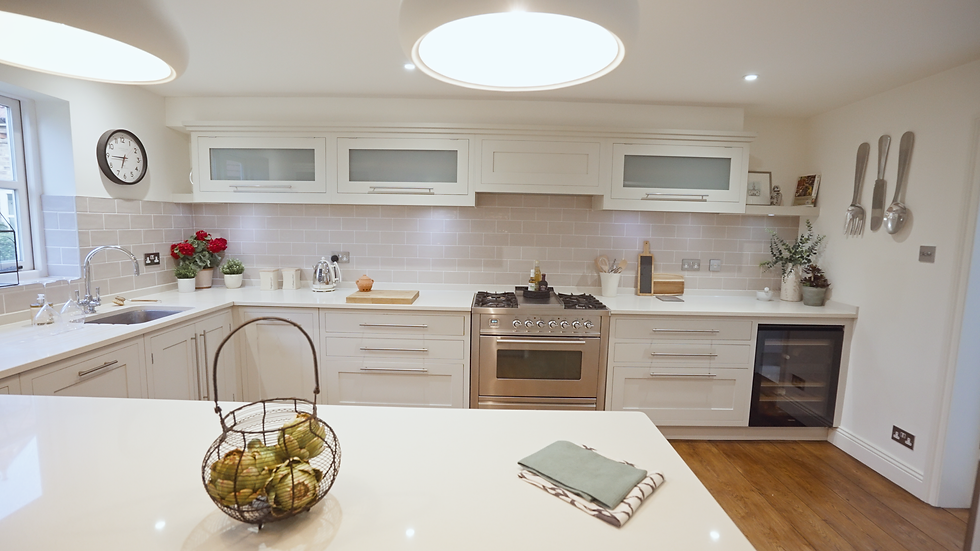
In a buyer’s market, vague rooms are risky. A bedroom being used as storage may make the home feel short on bedrooms. A dining room filled with exercise equipment may fail to show entertaining space. A conservatory with mismatched furniture may look like an afterthought.
Staging gives rooms a purpose - that should match the likely buyer.
A family home may need clear bedrooms, a useful work area, and practical dining space. A downsizer property may need comfort, ease, and good storage. A village home may need warmth and lifestyle appeal.
When each space makes sense, buyers spend less time trying to solve problems and more time imagining themselves living there.

Doing It Yourself Versus Hiring A Professional
Of course you can prepare your home yourself.
In today’s competitive property market, buyers form an opinion about a home within the first seven seconds of walking through your door—and even faster when browsing online listings. While cleaning and sorting are great first steps, there is a vast difference between a house that looks "clean" and a house that looks "market-ready." Deciding whether to tackle staging yourself or hire an expert can make or break your final sale price.

Why DIY Staging Falls Short Of Professional Results
While homeowners can certainly attempt DIY staging by sorting, re-arranging furniture, and adding fresh decorations, this approach rarely matches the impact of a professional stager. Professional staging is not just about tidying up; it is a strategic marketing tool rooted in buyer psychology and spatial design. Homeowners are naturally biased and emotionally attached to their space, making it difficult to view the property objectively through a buyer's eyes. In contrast, professional stagers bring an unbiased perspective, a deep understanding of current market trends, and access to an extensive inventory of high-end furnishings that elevate a home's perceived value. They possess specialized expertise in optimising room flow, maximising natural light, and neutralising spaces so that potential buyers can easily envisage themselves living there. Ultimately, while DIY staging might save money upfront, professional staging transforms a house into an aspirational lifestyle, typically leading to faster sales and significantly higher offers.
A professional stager ensures your home is ready to compete (and exceed) others. That may involve hands-on staging, guidance before photos, furniture and accessory choices, or a more complete preparation plan, including execution. The service is shaped around the home and the market, rather than applying a standard model to every property.
A good staging plan supports the seller, the estate agent, and the buyer journey. It helps the agent market the home strongly. It helps the seller feel ready. It helps the buyer understand the property faster.
In slower or more competitive conditions, that support can make the process feel less uncertain. Sellers know they have done what they can before the listing goes live, rather than waiting for feedback that may come too late.
That matters because buyers often make decisions in layers:
They notice the property online.
They compare it with others.
They decide whether to view.
They judge how it feels in person.
They decide whether it is worth offering on.
They decide how this affects their best offer.
Staging can influence every one of those stages.

The Strongest Homes Make Buying Feel Easier
Selling in a buyer’s market does not mean accepting defeat before you begin. It means recognising that buyers have options and preparing accordingly.
The homes that stand out are rarely the ones with the most expensive furniture or the boldest décor. They are the homes that feel clear, cared for, and easy to imagine living in. They photo well. They view well. They give buyers confidence.
Staging helps create that feeling.
The recent results in Bourne End, Keble in Maidenhead, and Hurley show how professional preparation can support a stronger sale journey. Each property had its own character, but the principle was the same: understand the buyer, prepare the home properly, and present it with purpose.
For sellers thinking of coming to market, the best time to consider staging is before the photos are taken, not after interest has slowed. A well-prepared home starts with an advantage. In a market where buyers can choose, that advantage can make all the difference.

We're Here To Help
With over 20+ years of experience, this has enabled us to transform our clients homes so they sell and for the best price. Amazingly, this means our preparatory and staging services have enabled sales to date of over £80m.
If you're still unsure about whether staging works in a buyer's market, take a look at some of our case studies - they evidence what we found when we first visited our client's property, the transformation we implemented and what that meant for their sale.
We are here to answer any questions you may have, so do reach out to us at info@sortstyleandstage.com.
#stagetosell #sellingalifestyle #sortstyleandstage #preparingyourhometosell #professionalstaging #diystaging #myroyalborough


Comments